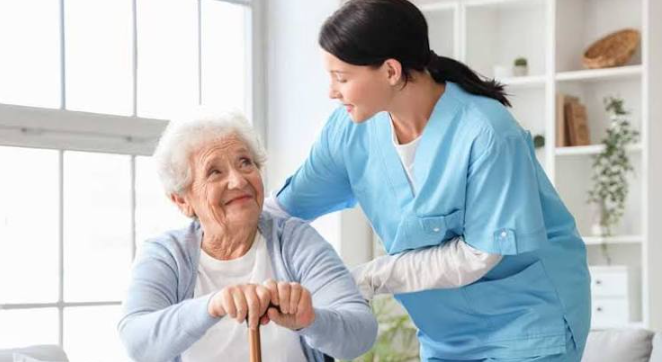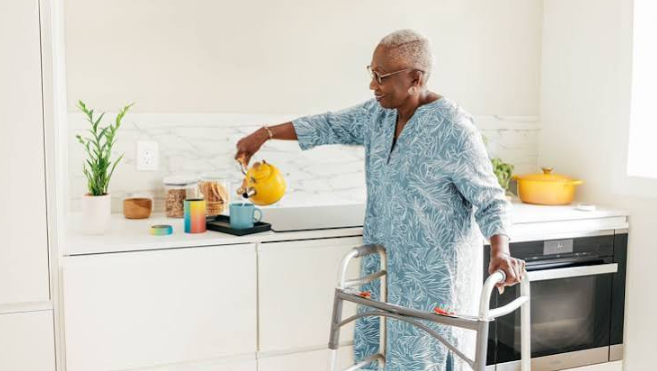

Growing older can bring changes in mobility, balance, strength, flexibility, and the ability to manage routine activities. Appropriate equipment can help prevent these problems without adding undue complexity to everyday care. Adaptive equipment for seniors can help with certain activities and increase independence at home, ranging from mobility aids to health-monitoring devices and bathroom safety products.
The best equipment for each person will vary depending on their skill level, health requirements and lifestyle. Understanding what different products are designed to do can help seniors, caregivers, and family members identify practical solutions for everyday challenges.
Common Types of Adaptive Equipment For Seniors and What They Help With
Different products serve different purposes, so equipment should be evaluated to meet each task or limitation.
- Mobility and Recovery Equipment
After an injury or as balance and strength decrease, it may become more difficult to enjoy mobility. Mobility aids like walkers, canes, transfer devices and supportive braces may be able to meet certain mobility requirements. An ankle brace for sprains, for instance, can offer external help during recovery from an ankle injury. The level of support will vary depending on the type and severity of the injury.
- Bathroom and Personal Care Equipment
Bathrooms can present particular challenges because activities often involve wet surfaces, transfers, bending, and changes in position. Bathroom grab bars for seniors can offer a steady, safe grip in close proximity to the toilet, shower, or tub. Other products like shower chairs and raised toilet seats can also help make personal care easier for people who have limited balance and mobility.
- Dressing, Reaching and Daily-Living Aids
Fewer movements may make it harder to dress, grab or bend to reach objects around the home. These tasks can be made easier with the use of reachers, dressing sticks and button aids, long-handled shoehorns and easy-grip utensils. The importance of adaptive equipment for seniors may not be that it resolves all the problems, but rather that it resolves just one problem and doesn’t necessitate a complete overhaul of the daily routine.
- Health Monitoring and Condition-Specific Equipment
Some seniors require equipment to assist in continuing health management at home. For example, a blood glucose meter kit may hold a glucose meter and associated testing equipment in a single location for ease of use in monitoring glucose levels. Other condition-specific products might include supportive devices like a cervical collar for neck support, which can help to limit neck movement if prescribed for a suitable medical condition.
When Medical Support Requires Professional Guidance
Some equipment is made to help make everyday activities easier, and other products are made to help aid recovery or specific medical needs. Selecting and using braces, cervical collars, and monitoring devices might need special consideration, as opposed to basic daily living aids.
For instance, the correct ankle brace for sprains can vary according to the injury, while a cervical collar for neck support should be used according to appropriate medical guidance. When equipment is used for movement or has been used post-injury or is used as part of an ongoing treatment plan, the advice of a professional will be especially valuable.
Practical Home Medical Equipment by IDTS for More Independent Living
A variety of products by IDTS Home Medical Supply, such as blood glucose meter kit for everyday glucose monitoring in the home medical supply field, along with mobility products, braces and supports, Bathroom safety products, and products for daily living. Its reach enables people and care workers to discover devices appropriate to their requirements, for example, in the event of a health routine, recuperating from an injury, or making everyday errands simpler.
Frequently Asked Questions
- What adaptive equipment can help seniors with limited hand strength?
Adaptive equipment for seniors that adapts to their daily lives may consist of easy-grip utensils, dressing aids, reachers, and built-up handles.
- Can an ankle brace for sprains support senior mobility during recovery?
An ankle brace for sprains can provide external support and limit unwanted movement during recovery. The right option depends on the injury and required stability.
- Where should bathroom grab bars for seniors be installed?
Bathroom grab bars for seniors are frequently found next to the toilet, shower, and tub for the purpose of supporting transfers and position changes.
- What should seniors consider when using a blood glucose meter kit at home?
The blood glucose meter kit should be simple to use, have an easy-to-read display, and have easy access to supplies. A senior should schedule their recommended testing procedure.
Conclusion
The right equipment can address small but meaningful barriers to mobility, personal care, safety, and health management. From adaptive equipment for seniors to bathroom support, injury recovery to routine monitoring, the need can vary for each person. Selecting the product to suit individual needs can make everyday life easier and help promote the ability to live independently at home.
Explore practical home medical equipment from IDTS Home Medical Supply to find products suited to everyday care and mobility needs.


 By