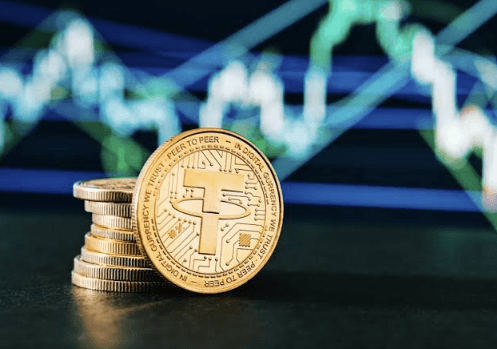

Tether (USDT) is a digital token designed to maintain a stable value by pegging to a fiat currency, typically the U.S. dollar. The system relies on a reserve-backed model and periodic disclosures to sustain the peg. Audits exist but vary in transparency, inviting ongoing scrutiny over reserve composition and attestations. Traders use USDT as a liquidity conduit and unit of account across crypto markets, yet questions remain about reliability and risk that merit careful consideration.
What USDT Is and Why It Exists
Tether (USDT) is a digital token designed to maintain a stable value by pegging its price to a fiat currency, typically the U.S. dollar.
The purpose is practical liquidity, cross-border usability, and market efficiency.
USDT adoption accelerates access to digital commerce and capital movement, while Reserve transparency remains a focal issue for credibility and informed participation in evolving financial ecosystems.
How USDT Maintains Its Peg: Reserves, Audits, and Transparency
To maintain its peg, USDT relies on a reserve-backed framework combined with periodic disclosures and independent oversight. The discussion centers on the reserve structure and the scope of disclosures, aiming for rigor rather than reassurance.
While audits exist, transparency audits are uneven in scope. Skeptics seek independent verification, yet current disclosures provide a cautious, analytical view of collateral and liquidity.
How Traders Use USDT: Liquidity, Arbitrage, and Risk Management
Traders interact with USDT primarily as a convenient, widely accepted unit of account and liquidity stream within crypto markets.
In practice, liquidity supports rapid entry and exit, enabling liquidity strategies that reduce slippage across exchanges and timeframes.
Arbitrage opportunities emerge from price dispersion, while risk controls—position limits and exposure discipline—help mitigate volatility, preserving usable capital within evolving crypto ecosystems.
See also: AI and the Future of Smart Buildings
Controversies and How to Judge USDT’s Reliability
The reliability of USDT rests on ongoing scrutiny of its reserves, transparency, and auditing practices, which have fueled persistent questions since its inception.
Controversies surround reserve composition, third-party attestations, and regulatory status, prompting cautious assessments.
Proponents emphasize stable liquidity and market access, while detractors call for independent, verifiable proof.
Evaluating reliability requires ongoing, rigorous verification, independent audits, and transparent disclosure of reserve holdings.
Conclusion
Tether (USDT) serves to stabilize and streamline crypto markets by anchoring a digital token to fiat currency, enabling predictable liquidity and smoother cross-border activity. Its peg relies on reserve management, periodic disclosures, and independent attestations, though transparency remains a point of debate. Traders leverage USDT for liquidity, arbitrage, and risk buffering, while observers weigh reserve composition and audit rigor. In assessing reliability, one should approach claims with caution, cross-check disclosures, and avoid putting all eggs in one basket. It’s not a silver bullet. Proceed carefully.


 By